The Common Man Speaks

Mukkam Post Bombilwadi review: Decent entertainer trapped in the wrong medium

January 2, 2025 by Keyur Seta 1 Comment

Filmmaker Paresh Mokashi’s Mukkam Post Bombilwadi is based on his own Marathi play of the same name. The story takes place in 1942 when World War II is in full swing. Adolf Hitler (Prashant Damle) is under pressure for not having won the war despite fighting it for years, especially from his wife Eva (Deepti Lele). Winston Churchill (Anand Ingle), the Prime Minister of Great Britain, is making things more difficult for him.

Meanwhile, in Bombilwadi village in Maharashtra’s Konkan, Varvante (Vaibhav Mangle) heads a theatre group. He is struggling hard to rehearse for a play with the members of his troupe (Devendra Pem, Geetanjali Kulkarni and Ritika Shrotri). Vaidya Buwa (Sunil Abhyankar) and Bhaskar (Pranav Raorane), who are also a part of the theatre group, have made a bomb to blow up Britishers.

Back in Germany, Hitler gets to know that he can lay his hands on the secret formula of an atom bomb in Japan. He decides to take matters in his own hands and visit Japan all by himself. But his plane crash lands in Bombilwadi and this creates more madness and mayhem in the village.

Mukkam Post Bombilwadi by Paresh Mokashi

As evident from the above synopsis, the story of Mukkam Post Bombilwadi is fully absurd and one requires suspension of disbelief to enjoy it. Frankly, it doesn’t take much effort to do that as the movie starts on a hilarious note. To see Hitler, Churchill and others speak in Marathi gets you in splits and so do some other moments in Bombilwadi.

However, the level of humour goes downhill later on. Of course, there are plenty of one-liners, jokes and situations aimed to make you laugh. But they only produce occasional humour and giggles. This is simply because this type of comedy suits more to the medium of theatre instead of cinema. In other words, the film remains theatrical and is not cinematic enough. The makers could have exploited the medium of cinema more.

The performances fall in the positive though. Prashant Damle is hilarious as a Marathi-speaking Hitler. He excels even in scenes where his character is troubled or confused. Anand Ingale too shines as Winston Churchill, despite limited screen time. Vaibhav Mangle, Devendra Pem, Geetanjali Kulkarni and Ritika Shrotri also succeed with their comic timing.

Adwait Dadarkar as the British Inspector Cook is impressive and he holds various scenes on his own. The rest of the supporting cast, including Sunil Abhyankar, Pranav Raorane, Deepti Lele, Rajesh Mapuskar and Ganesh Mayekar, are fine too.

The film scores well in the production designing, more so when it comes to the recreation of Hiter’s office in Germany.

Overall: Mukkam Post Bombilwadi is a decent entertainer, more because of the performances than the content. Because of its family entertainment genre, it is expected to do well at the box office.

Rating: 2.5 out of 5

Director: Paresh Mokashi

Producers: Vivek Films and Mayasabha Karamnuk Mandali

Writer: Paresh Mokashi

Cast: Prashant Damle, Anand Ingale, Vaibhav Mangle, Geetanjali Kulkarni, Devendra Pem, Ritika Shrotri, Adwait Dadarkar

Also read: Amaltash (Marathi movie) Review: Tenderly created saga on love, life & music

Filed Under: Marathi movies Tagged With: Hitler Marathi, Mukkam Post Bombilwaadi Review, Mukkam Post Bombilwadi Cast, Mukkam Post Bombilwadi Movie Review, Mukkam Post Bombilwadi Review, Paresh Mokashi

Yek Number review: Ambitious propaganda that turns unintentionally hilarious  

October 10, 2024 by Keyur Seta Leave a Comment

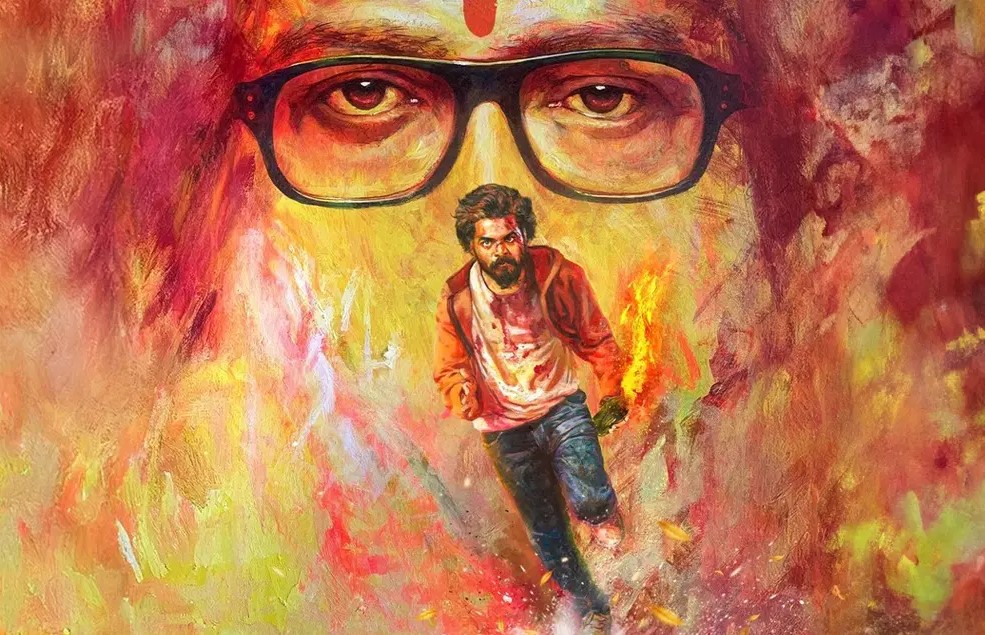
A couple of weeks ago, we saw the release of Dharmaveer 2, in which a deceased political hero, Anand Dighe, was used to glorify and popularize Maharashtra’s current Chief Minister Eknath Shinde. Now, the same kind of propaganda has become the core of another Marathi movie. Titled Yek Number, the film aims to glorify Raj Thackeray, the chief of Maharashtra Navnirman Sena (MNS).

As one finally leaves the cinema hall after this 160-minute saga, one just wonders whether, after Hindi cinema, Marathi too will regularly churn out political propaganda films.

Yek Number starts off in a small village in Maharashtra and it revolves around the life of a youngster Pratap (Dhairya Gholap). He believes he is the man Friday of the local MLA (Member of Legislative Assembly) but he is actually his slave. He dreams of becoming an MLA and his yes men continuously massage his ego.

Pratap’s second dream is to marry Pinky (Sayli Patil), his childhood love. She has been a die-hard fan of Raj Thackeray since she was a kid. When Pratap once asks for her hand in marriage, she promises to marry him if he convinces Thackeray to visit their village. Pratap readily takes up the challenge and vows to complete the task in the next 24 hours. However, when he reaches Mumbai, he realizes that his mission is far difficult than he imagined. Meanwhile, terrorists from across the border are planning something sinister in Mumbai.

Pinky’s demand and Pratap’s determination to fulfill the same is difficult to believe. Plus, there is a major flaw. When Pratap is unable to fulfill the task in 24 hours, it should mean that he failed in his mission. But he continues to pursue Thackeray for days.

However, what all happens in the film later makes this flaw appear minor. We are dished out various twists and characters with an ultimate aim of hero-worship and propaganda. Among these points, what stands out is the angle of a lookalike of Raj Thackeray and his acts. But what takes the cake is the Pakistani assassinators’ angle, which provides the maximum unintentional laughter (can’t reveal more to avoid spoilers).

Yek Number is filmmaker Rajesh Mapuskar’s third feature film after gems like Ferrari Ki Sawaari (2012) and Ventilator (2016). Needless to say, it is difficult to imagine that he has made this one. More so because there is absolute lack of subtlety when it comes to hero worship. The film is also packaged like many of those unconvincing action films of the 1990s.   

The technical aspects (cinematography, editing and background score) are not much to talk about. Ajay-Atul’s music, ‘Jahir Jhala Jagala’ is the only impressive track, but even that one gives a déjà vu of their previous songs.

Dhairya Gholap has screen presence but his performance falls in just decent category. Sayli Patil shows promise, despite not having a large screen time. The actor playing Thackeray’s lookalike is the most convincing of all. Tejaswini Pandit, in a cameo, is passable.

The few plusses in Yek Number are the twists in the second half that make the film watchable, even if they lack complete conviction. But these positives are surely not enough to override the many negatives.

Rating: Yek.5

Director: Rajesh Mapuskar

Producers: Nadiadwala Grandson and Sahyadri Films

Writers: Tejaswini Pandit, Dhairya Gholap, Vinayak Purushottam, Mayuresh Joshi and Arvind Jagtap

Cast: Dhairya Gholap, Sayli Patil  

Also Read: Dharmaveer 2 review: The film is more like an election pitch

Filed Under: Marathi movies Tagged With: Marathi movie review, Yek Number Marathi Movie, Yek Number Movie Review, Yek Number Raj Thackeray, Yek Number Review, Yek Number Story

Dharmaveer 2 review: The film is more like an election pitch

September 28, 2024 by Keyur Seta 1 Comment

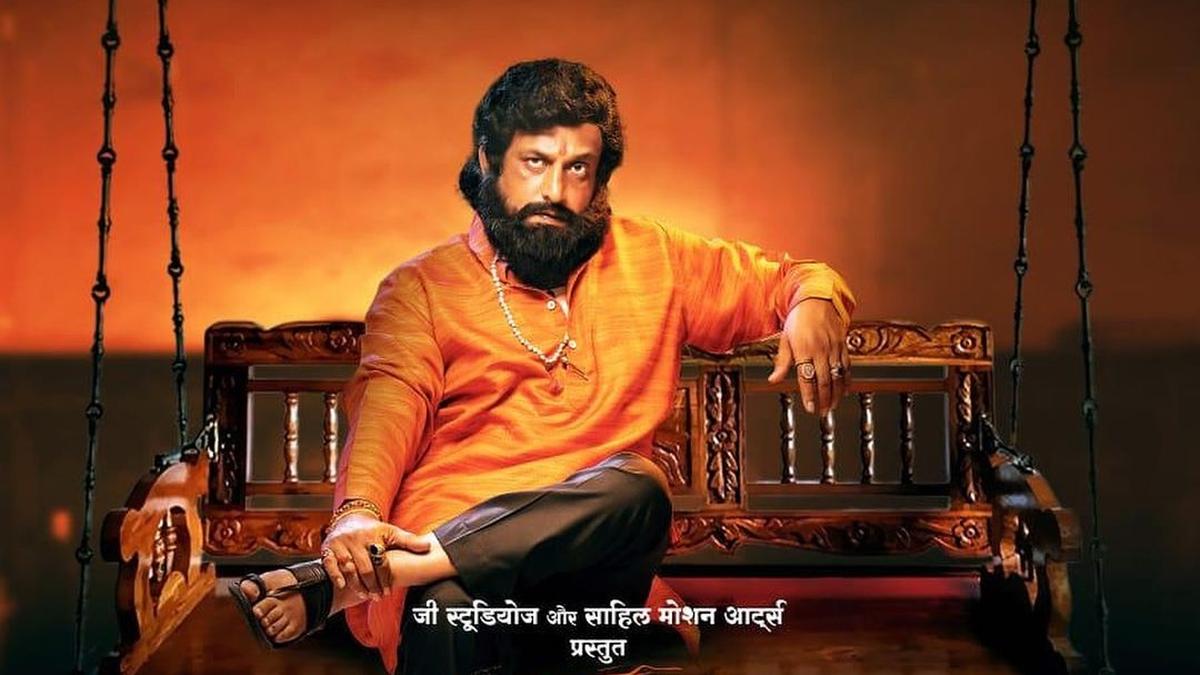
Filmmaker Pravin Vitthal Tarde’s Dharmaveer: Mukkam Post Thane (2022), the first film in the series, spoke about the rise and the greatness of the late Shiv Sena leader Anand Dighe, who was from Thane. The film was a good biopic that also worked as a commercial entertainer with a fine act from Prasad Oak as Dighe.

As the protagonist passes away at the end of the first film, one wondered what the film’s sequel, Dharmaveer: Mukkam Post Thane 2, would have in store. As it turns out, the movie is nothing but a 157-minute long campaign for the upcoming assembly polls in Mahahrashtra.

The narrative of Dharmaveer 2 runs two tracks parallel. One is based in 2022 when Eknath Shinde (Kshitish Date) is a minister in the Maha Vikas Aghadi government. The film starts off with the real incident of a gruesome lynching of two sadhus in Palghar. Shinde, along with a number of other MLAs, is disappointed with the way his government has handled this and various other issues in the state.

As Shinde and others wonder what to do next, they recall the life and incidents of their late hero Anand Dighe and how he used to solve various issues in his own way. Hence, the other track is the flashback featuring Dighe.

Right from the initial moments of the film, it becomes clear that this is a sequel made just for the sake of it. This keeps getting confirmed as the film starts moving ahead. The main aim of the narrative is to show Uddhav Thackeray’s then MVA government in a bad light. There are various potshots taken at him and their allies Congress and NCP (Nationalist Congress Party) without taking names.

Once the film moves into the second half, the narrative slowly makes Shinde as the central figure. For example, during the deadly second COVID wave, it is shown that Shinde and his aides alone were responsible for the lack of oxygen cylinders not becoming a problem in the state.

Similarly, the movie touches upon various aspects that would appease their target audience. Right from the utterance of the word ‘Bhagva’ every now and then to featuring scenes based around the staging of plays on Vinayak Damodar Savarkar and Nathuram Godse. In fact, in one scene it is also said that Hindi films are responsible for showing Hinduism in bad light. These are just a few examples.

From the few plusses, Tarde has shown that he knows the art of turning a simple scene in a whistle-worthy moment. But the biggest plusses here are the performances of Prasad Oak and Kshitish Date. Oak continues from where he left in the first film. He once again displays fear and switches onto compassion in a second in an effortless manner. Date gets ample scope this time and he succeeds in portraying the inner turmoil of Shinde, whether it’s through his body language or voice. The rest of the actors have cameos or extended cameos.  

But these points easily get overshadowed by the minuses. Surprisingly, the makers indirectly announce the third part of the series in the end.

Rating: 2 out of 5

Director: Pravin Vitthal Tarde

Producers: Sahil Motion Arts and Zee Studios

Cast: Prasad Oak, Kshitish Date

Also Read: Navra Maza Navsacha 2 review: Thoroughly entertaining surprise of the year

Filed Under: Marathi movies Tagged With: 2024 Maharashtra Election, Dharmaveer 2 Movie Review, Dharmaveer 2 Review, Dharmaveer 2 Story, Kshitish Date, Marathi Cinema, Politics, Prasad Oak

Navra Maza Navsacha 2 review: Thoroughly entertaining surprise of the year

September 22, 2024 by Keyur Seta 1 Comment

It is quite common for movies to not live up to its exciting trailer. It is extremely rare for the opposite to happen. Sachin Pilgaonkar’s Navra Maza Navsacha 2 is that rare film that turns out to be many times better than its trailer. In other words, the film’s promo was misleading, but in a good way.

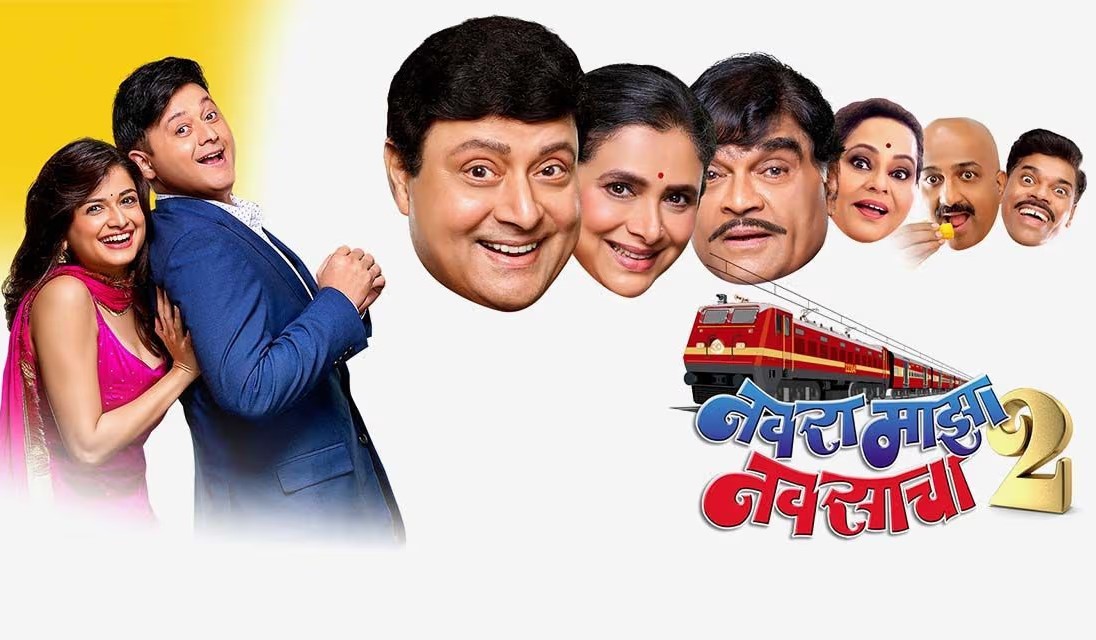
Navra Maza Navsacha 2 is the sequel to the iconic and successful Navra Maza Navsacha (2004), which starred Sachin Pilgaonkar and Supriya Pilgaonkar in lead roles. The film ended with Vakratund aka Vacky (Sachin) somehow managing to fulfill his late father’s vow of visiting the Ganesh temple in Ganpatipule naked. He was pushed for the same by his wife Bhakti (Supriya). The couple also earns Rs. 8 crores as they help the police nab the criminal Babu Kalia (Pradeep Patwardhan).

Hence, in the second part Navra Maza Navsacha 2, Vacky and Bhakti are leading a comfortable life. Their daughter Shraddha (Hemal Ingle) has grown up. She is in love with Lambodar aka Lamby (Swapnil Joshi). Due to certain circumstances, this time Shraddha vows to get Lamby visit Ganpatipule temple naked along with other difficult conditions. Lamby somehow agrees and the four of them set out to for the trip through train.

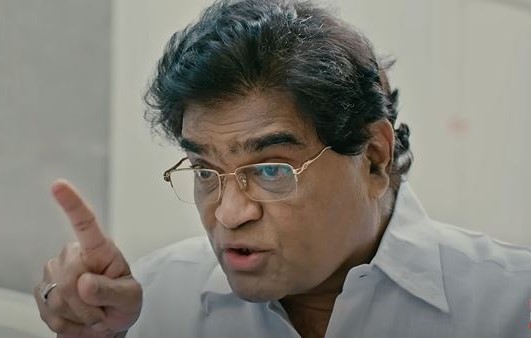
Navra Maza Navsacha 2 pretty much follows the same template as its predecessor with the ST bus being replaced by train and Ashok Saraf’s character being the ticket collector (TC) instead of the conductor. However, the characters and their funny mannerisms and the overall jokes and gigs are quite fresh and genuinely funny. In fact, barring some emotional moments, which were necessary, the movie is a complete laugh riot where even little things play a big role in getting you in splits.

Navra Maza Navsacha 2

Unlike the first film, the journey in the second one starts in the second half. The first half has some major conflict and drama. This takes you by surprise because none of this is shown in the trailer.

Navra Maza Navsacha 2 brings back the nostalgia of the first film. But it is shot and presented like a film of today’s times. The balance is well maintained. The music falls in the decent category with ‘Dumroo Vaje’ turning out to be memorable.

Sachin Pilgaonkar and Supriya Pilgaonkar have carried on from where they left in the first film, bringing the same energy. Swapnil Joshi, despite his age, fits the character of a bachelor and succeeds in bringing Lamby alive. Hemal Ingle also performs well among the stalwarts. Like the first film, Ashok Saraf takes the cake despite arriving late. His act is not only funny but also moving.

The film has cameos and extended cameos from Siddharth Jadhav, Nirmiti Sawant, Jaywant Wadkar, Vijay Patkar, Vaibhav Mangle, Sonu Nigam, Ali Asgar, Johnny Lever, Shriya Pilgaonkar, among others.

Like the first film, there are a lot of creative liberties taken. But the major issue with the film is its timeline. The first movie ends in 2004. Considering Vacky and Bhakti had a kid right after the story’s completion, Shraddha would have been born in 2005. So her age should be 19. But there is no mention that she is very young and it’s difficult to believe that a modern girl like her decides to marry at such a young age in today’s times.

Vijay Patkar’s character is continued from the first film. But Nirmiti Sawant, who was Vacky’s aunt in the first movie, is now shown as Lambodar’s mother. At one point Ashok Saraf’s character is said to be the same from the first film. But then, Vacky and Bhakti never seem to recognize him. The same goes for a few other characters too.

But overall, Navra Maza Navsacha 2 is a thoroughly entertaining surprise of the year. And if you are a believer in Ganpati, you are in for a treat.

Rating: 3.5 out of 5

Director: Sachin Pilgaonkar

Producer: Sachin Pilgaonkar

Writer: Sachin Pilgaonkar

Cast: Sachin Pilgaonkar, Supriya Pilgaonkar, Swapnil Joshi, Hemal Ingle, Ashok Saraf

Also Read: Ashok Saraf on Lifeline, “More than the length, the strength of the character is important”

Filed Under: Marathi movies Tagged With: Ashok Saraf, Marathi Cinema, Marathi movie review, Navra Maza Navsacha 2 Review, Navra Maza Navsacha Sequel Review, Navra Maza Navsacha Story, Sachin Pilgaonkar, Supriya Pilgaonkar, Swapnil Joshi

Ashok Saraf on Lifeline, “More than the length, the strength of the character is important”

July 19, 2024 by Keyur Seta 1 Comment

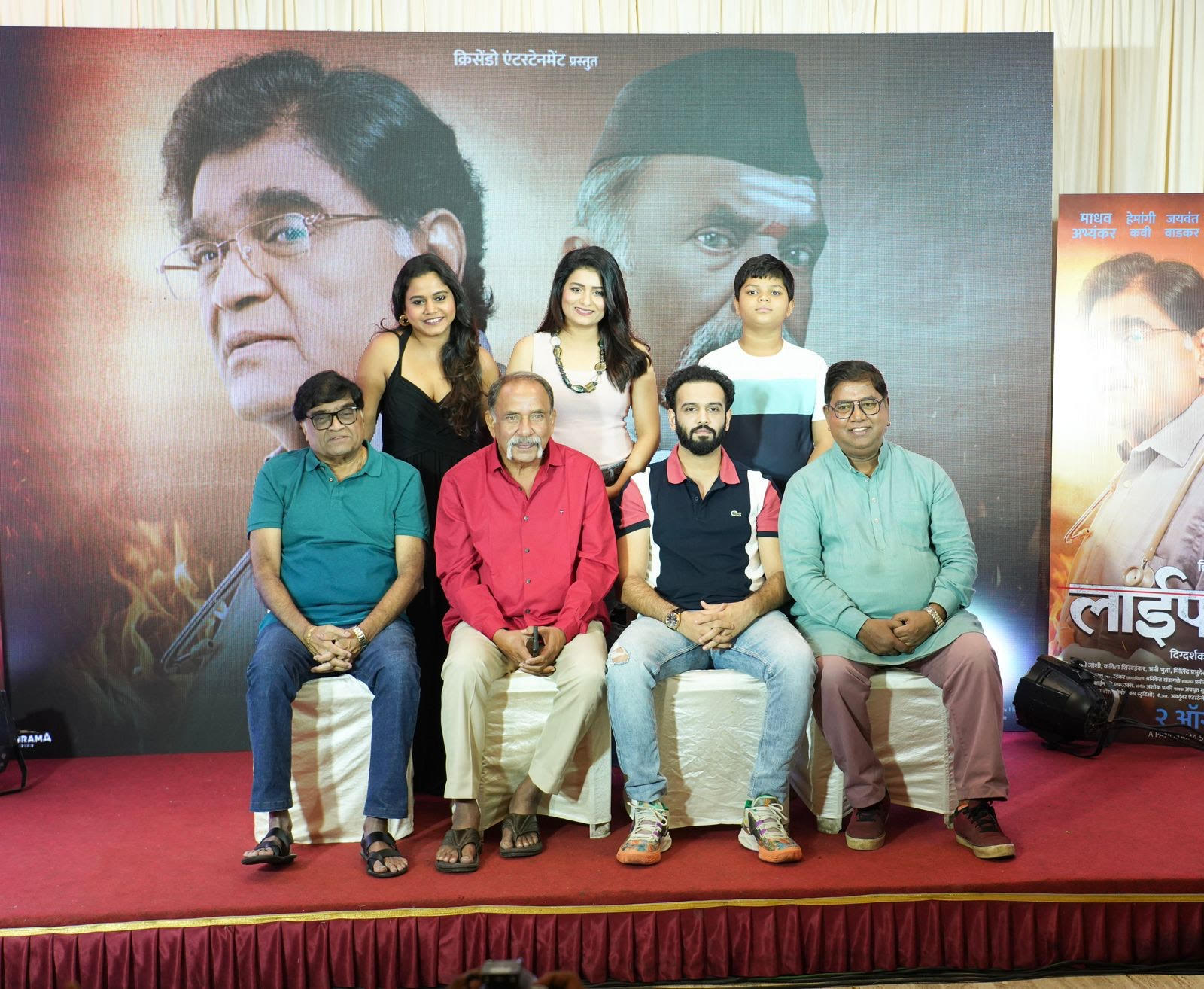
Veteran legend Ashok Saraf will next be seen in the Marathi film Lifeline. The movie is a social drama with the theme of superstition vs science. Directed by the first timer Saahil Shirwaikar, it will see a tussle between a surgeon, played by Saraf, and a Hindu priest specializing on last rites, essayed by another veteran Madhav Abhyankar.

During the trailer launch of Lifeline last evening, Saraf expressed his happiness at being offered a role in a film with such a subject. He said, “Firstly, I would like to congratulate Saahil Shirwaikar and his father Rajesh Shirwaikar (writer) for choosing such a subject. Till now, nobody even thought about this message that is in the interest of the society. People will understand that importance of doctors (from this film) and their point of view on doctors will change.”

Adding more about the subject, Saraf added, “Blind faith and science are poles apart. They can’t come together. But that conflict has been handled in such a beautiful way in this film that it will stay in the hearts of the audience.”

Saraf also revealed that his screen-time in the film isn’t large but that’s not a concern for him. “My role is very important,” he said. “Its length is less (but) the role has a lot of weightage. So, apart from my role, what else happened in the shoot, I am not aware. But I knew the story. When he (Saahil) narrated it to me, I instantly said yes. The length of the role is not a problem for me. The strength of the role is more important. What I will show through my role and how much it will impact the audience is important for me.”

During the course of the discussion, Saraf was asked the reason for trusting a newcomer like Saahil Shirwaikar and instantly agreeing to do his film. He said, “I felt the one who takes up such a theme with so much confidence, he must have done a lot of study on it. My only criteria were whether I will get to do something different, which I am always searching. I found that in this role. Once I get such a role, I don’t think about its length.”

Lifeline also stars Jaywant Wadkar, Bharat Dabholkar, Hemangi Kavi, Sharmila Shinde, among others. Produced by Crescendo Entertainment, the movie is all set to release in theatres on August 2.

Also read: Paradise (English-Sinhala-Malayalam) review: Provides a gradual hard-hitting jolt

Filed Under: Marathi movies Tagged With: Ashok Saraf, Ashok Saraf Interview, Lifeline Marathi Movie, Lifeline Movie, Madhav Abhyankar, Marathi Cinema, Marathi movies

Alibaba Aani Chalishitale Chor review: Vivek Bele’s dialogues deserve special mention  

March 29, 2024 by Keyur Seta 1 Comment

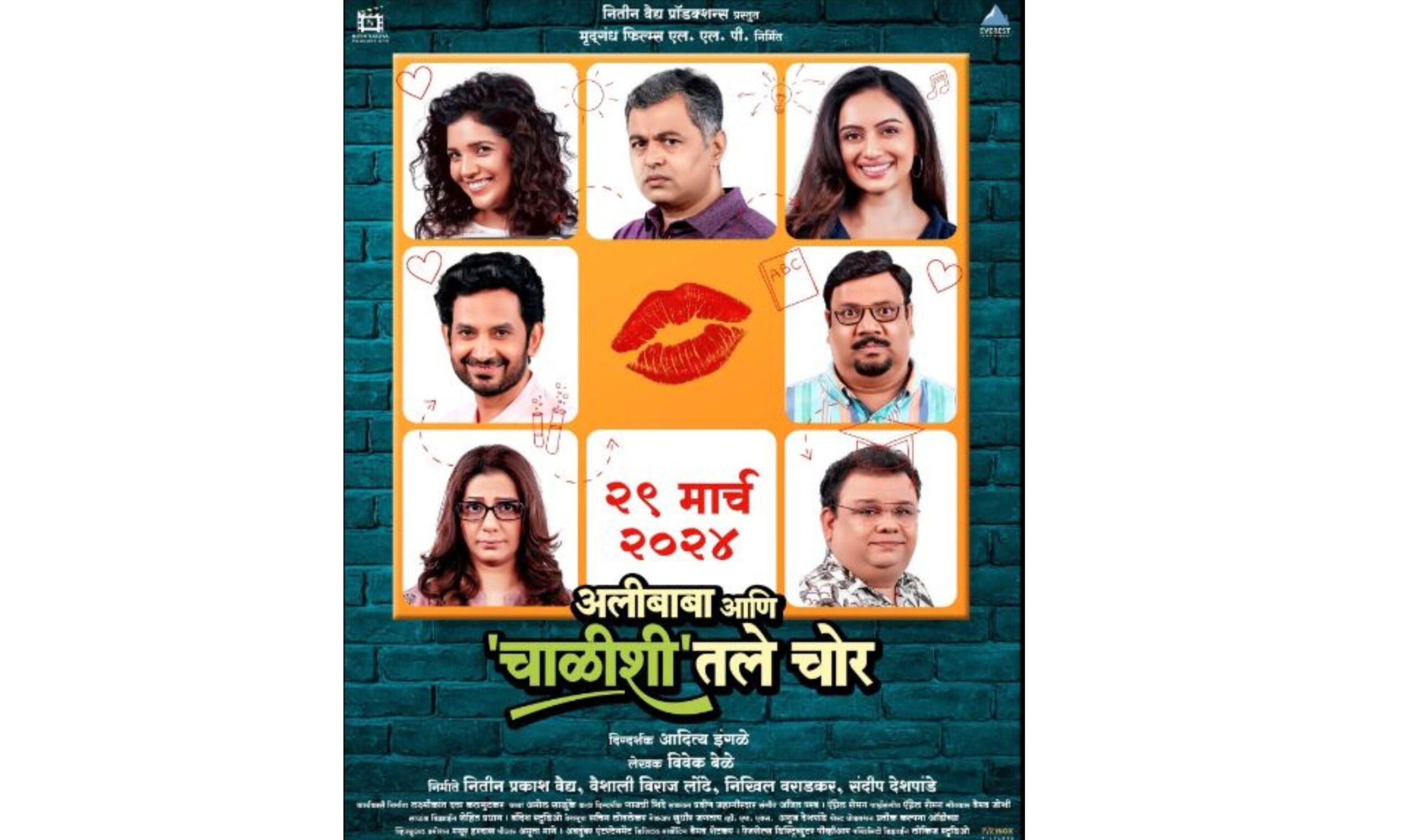
Subjects about friendship never get old. Most of the times, these are emotional films about a group of friends who face an internal adversity only to reconcile in the end. Aditya Ingale’s Alibaba Aani Chalishitale Chor is also a story about a group of friends and what happens amongst them, but there is a twist. It’s a comic drama with a dash of adultery.

The movie is based on the play of the same name (which this writer hasn’t seen). It tells the story of three couples, played by Subodh Bhave-Shruti Marathe, Anand Ingale-Madhura Welankar, Atul Parchure-Mukta Barve and a single guy (Umesh Kamat), who are a part of a group of friends in their 40s.

The seven of them decide to venture out of the city on a farmhouse for a weekend of relaxation and partying. At night, when all of them are merrily dancing, the lights suddenly go off. During that brief moment, one can hear a loud kiss, followed by the sound of a hard slap. Nobody knows who kissed whom and who slapped whom and whether the kiss and slap are related. This single incident is enough for everyone to doubt their respected spouses.

On top of that, each one of them get an e-mail from a stranger who has started a blog that publishes secrets among the people of their group and after eight days, he or she will reveal what exactly happened that night.

Alibaba Aani Chalishitale Chor is a rare movie where the dialogues score the highest. Vivek Bele, who also wrote the play, has come up with hilarious lines that get you in splits regularly, especially the theories about what happened that night. A lot of the conversations happen over the phone and these are also filled with humour. You are reminded of his previous work on a film on similar lines in the form of Badam Rani Gulam Chor (2012).

The dialogues have been rightly complemented by the actors. After Vaalvi, one again gets to see the funny side of Subodh Bhave and he proves his versatility yet again. Mukta Barve is seen in a different role for the first time and she too scores high. Umesh Kamat, as the only single person in the group, gets good scope and he latches onto it. Anand Ingale, Atul Parchure and Madhura Welankar provide funny and mature acts too. Shruti Marathe is decent.

The movie has a funny and enjoyable first half which also establishes the tale well, makes you laugh and curious about what happened during that fateful moment. But for a good amount of time in the second half, the story doesn’t move much, except creating more curiosity. You still don’t lose interest because of the funny lines.

Also read: Kennedy review: Anurag Kashyap’s political cum crime drama is impressive

But what really hurts the film is the finale, for which you have been waiting eagerly. The major reveal in the end takes you by surprise but it isn’t exciting or interesting enough. The same goes for the message given. The film would have been a much better entertainer if it had scored well in the climax.

Overall: Alibaba Aani Chalishitale Chor is a one-time watch because of the humorous lines.

Rating: 2.5 out of 5

Director: Aditya Ingale

Producers: Nitin Prakash Vaidya, Nikhil Vadarkar, Viraj Londhe and Sandeep Deshpande

Writer: Vivek Bele

Cast: Subodh Bhave, Mukta Barve, Shruti Marathe, Anand Ingale, Madhura Welankar, Atul Parchure and Umesh Kamat

Filed Under: Marathi movies Tagged With: Alibaba Aani Chalishitale Chor Cast, Alibaba Aani Chalishitale Chor Marathi Movie, Alibaba Aani Chalishitale Chor Movie, Alibaba Aani Chalishitale Chor Movie Review, Alibaba Aani Chalishitale Chor Story, Alibaba Aani Chalishitle Chor Review, Marathi movie reviews

Aata Vel Zaali (Marathi movie) Review: Film about active euthanasia brings a smile

February 22, 2024 by Keyur Seta Leave a Comment

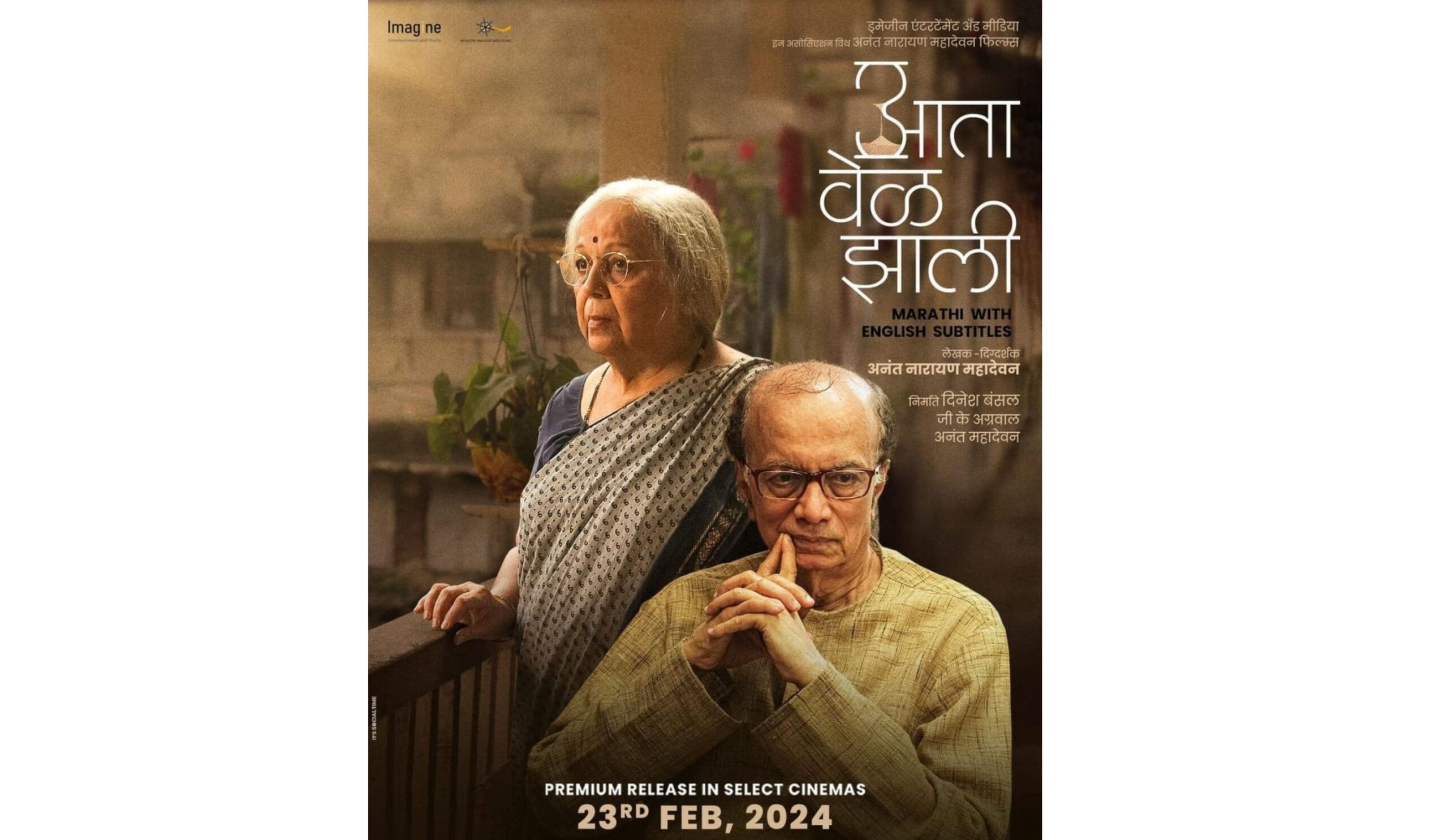
Sanjay Leela Bhansali’s Guzaarish advocated the idea of euthanasia on a patient who was completely bed-ridden and in a vegetative state from below his head. But filmmaker Ananth Narayan Mahadevan’s Aata Vel Zaali (English title: It’s Time To Go) shows two protagonists wanting to end their lives through active euthanasia despite not suffering from any major illness.  

The movie starts off in 2018. A senior citizen couple Shashidhar Lele (Dilip Prabhavalkar) and Ranjana Lele (Rohini Hattangadi) lives alone peacefully in a middle-class household in Mumbai. They would appear content with life to anyone. However, they have a desire of ending their lives through active euthanasia despite being fit. They feel they have carried out all their life’s responsibilities and have nothing more to offer in terms of productivity. Hence, they wish to end their respective lives while being in a happy and peaceful state.

Mr and Mrs Lele are considered weird by their extended family members and neighbours but that is not going to deter them. They write to the President of India about their wish and try other means as well but to no avail. But they are not ready to give up.

The biggest challenge for Aata Vel Zaali was to make the audience take Mr and Mrs Lele’s wish seriously and the film achieves that convincingly. You might not agree with Shashidhar and Ranjana’s desire of ending their lives this way but the reasons given by them appear sensible and convincing. In fact, some examples presented are even praiseworthy. For example, Mr Lele once quoting a philosopher saying that if you want a happy ending to your story, you must know where to end it.

The idea about an old couple wanting to end their lives brings back memories of Mahesh Bhatt’s classic Saaransh (1984). However, in that movie, the couple decides to end their life out of depression born out of the grief of their young son’s untimely death. But Mr and Mrs Lele are far from depressed. Interestingly, the 1984 movie also featured Hattangadi as the wife, although in a completely different character.

Despite the film speaking about death throughout its duration, it never gets sad. On the contrary, Aata Vel Zaali also qualifies as a light-hearted drama with a number of dialogues by Mahendra Patil that either make you laugh or smile. The picturization (cinematography by Pradip S Kanvildkar) also plays an important part here. The entire film is visually rich even if it shows ordinary, everyday visuals. This was also the case with Mahadevan’s earlier Hindi movie Gaur Hari Dastaan.  

There was huge responsibility on Dilip Prabhavalkar and Rohini Hattangadi’s shoulders. It was their performance that was largely going to be responsible for making the audience understand and agree to their unusual demand. To say that they succeeded in their task would be an understatement. The two veterans add plenty of life to a film about death. Their unusual chemistry is felt right from the first scene. The rest of the actors like Jaywant Wadkar, Smita Tambe, Bharat Dabholkar and others offer good support in a limited screen time.

After so many plusses, you expect a bit more from the final scene than what is offered. Nevertheless, the climax isn’t disappointing.

Overall: Aata Vel Zaali is a smooth-flowing feel good film despite the topic it deals with.

Rating: 4 out of 5

Director: Ananth Mahadevan Narayan

Producers: Dinesh Bansal, G K Agrawal and Ananth Narayan Mahadevan

Writers: Ananth Mahadevan Narayan and Mahendra Patil

Cast: Dilip Prabhavalkar and Rohini Hattangadi

Also Read: Amaltash (Marathi movie) Review: Tenderly created saga on love, life & music

Filed Under: Marathi movies Tagged With: Aata Vel Zaali, Aata Vel Zaali Marathi Movie, Aata Vel Zaali Movie Review, Aata Vel Zaali Review, Aata Vel Zaali Story, DIlip Prabhavalkar, Its Time To Go Movie Review, Rohini Hattangadi

Amaltash (Marathi movie) Review: Tenderly created saga on love, life & music

February 17, 2024 by Keyur Seta 4 Comments

Stories about protagonists suffering from a severe illness have been dealt brilliantly in India in films like Anand and Kal Ho Na Ho. Filmmaker Suhas Desale’s Marathi movie Amaltash, which also deals with an important character going through a serious crisis, reaches to that level, although its way different than both movies in terms of the story, narrative and handling.

Amaltash (which translates to ‘a month and a week’) takes place in Pune and it revolves around Rahul (Rahul Deshpande). He lives with his elder sister (Deepti Mate), her husband (Bhushan Mate) and their daughter Dimple (Trisha Kunte). Rahul is a musician and singer who works in a showroom selling and looking after musical instruments. He was once a part of a band with the same people he is working in the shop. The band was dissolved due to unfortunate circumstances.

Rahul once visits one of their customers and well-wishers Mrs Potdar (Pratibha Padhye) for some music instrument related work. Over there, he meets her young granddaughter Keerthi (Pallavi Paranjpe), who stays with her father in Canada and has visited Pune for some time. The two become friendly and she gradually becomes a part of Rahul’s life because of their common passion towards music.

Amaltash Movie

Amaltash isn’t narrated as the synopsis above. The movie is a collage of scenes, sequences and conversations from real life where the viewer is a keen observer. The narrative takes a few minutes for one to get accustomed to. But once that happens, you just can’t leave the film. The observer in you becomes more and more curious and you never realize when you get emotionally attached to the characters and their story. The film is narrated with a lot of tenderness, which you feel every now and then.

Another major positive here is the dialogue. The conversations are straight out of real life but deep and impactful enough to add to the overall effect. Music plays an important role but the film doesn’t present songs in a conventional manner. What you get is live, unplugged and intimate performances taking place inside homes when friends meet.

During all this, the movie also presents Pune in a very different and pleasant manner. It does what Tu Hai Mera Sunday did for Mumbai.

But the biggest triumph of Amaltash is the handling of the pre-climax and climax with, again, such tenderness, that it moves you no ends but at the same (without giving away much) is full of life.

As far as the technical aspects are concerned, the camerawork, background score and editing gel well with the nature of the film and stick to being simple.

The same is the case with the performances as well. Rahul Deshpande was tremendous in Mee Vasantrao (although he shot this film after Amaltash). With Amaltash, he proves that he is as good an actor as a singer. A major effect one feels in the movie is because to his act. Pallavi Paranjpe is thoroughly believable as a Canadian return. She never overdoes with her language and succeeds in speaking without speaking much at times.

Also read: Kennedy review: Anurag Kashyap’s political cum crime drama is impressive

Deepti Mate, Trisha Kunte and the rest of the supporting cast is flawless too. It is interesting to note that all the actors had faced the camera for the first time and they belong to some diverse fields of work.

It is difficult to point out any major flaw or negative point in Amaltash. Perhaps, the pace could have been quickened a bit in a few portions before the climax.

Overall: Amaltash is a thoroughly moving piece of cinema on love, life and music.  

Rating: 4.5 out of 5

Director: Suhas Desale

Producers: Darshan Productions and Medium Strong Productions

Writers: Suhas Desale, Mayuresh Wagh and Pallavi Paranjpe

Cast: Rahul Deshpande, Pallavi Paranjpe, Deepti Mate, Trisha Kunte, Pratibha Padhye

Filed Under: Marathi movies Tagged With: Amaltash Cast Actors, Amaltash Marathi Movie, Amaltash Marathi Story, Amaltash Movie Review, Amaltash Review, Rahul Deshpande

Panchak (Marathi movie) Review

January 7, 2024 by Keyur Seta Leave a Comment

Beliefs in different superstitions is a part and parcel of live all over India, including among the educated class. Superstitions often make way for comedy if looked at them from a distance. This tussle between superstitions and science is tackled by directors Rahul Awate and Jayant Jathar’s Marathi movie Panchak in a humorous way. The film is produced by Madhuri Dixit Nene and her husband Dr Shriram Nene.

Panckak is a belief where if a person from a family dies during a certain astrological time, it is followed by five more deaths within a year either from the same family or from people close to that family. The story takes place in the interiors of Konkan. Ananta Khot (Dilip Prabhavalkar) dies in his old age. The family’s priest Joshi (Vidyadhar Joshi) realizes that the man passed away during Panchak. Hence, the entire Khot family and their near and dear ones get scared as they feel five more deaths will follow in a year’s time.

However, Ananta’s son Madhav (Aditnath Kothare) finds this laughable since he is an atheist and a believer in science and rationality. He also works in the field of science. He faces the wrath from Joshi and the entire family (played by Satish Alekar, Bharti Achrekar, Anand Ingle, Nandita Patkar, Deepti Devi and Ganesh Mayekar) for his outlook but he is unperturbed. What actually happens till a year from that period forms the rest of the story. Madhav also shares a complicated romantic relationship with Revati (Tejashri Pradhan), who stays in the same village.

Panchak had the difficult task of creating a dark comedy out of someone’s death. The narrative and dialogues maintains the balance and ensure that nowhere does the proceedings become insensitive. The film also goes onto the extent of providing some rib-tickling and crazy humour all within the parameters of the subject. The confrontations between Madhav and his family members is funny in a natural away, even though it becomes slapstick at times.

Pankchak doesn’t have much of a story development. This isn’t felt much in the first half where the unfolding events keep you glued. But the same doesn’t happen in the second half where you start feeling that limited story material. Hence, more onus is given to gags and some incidents are stretched. The whole idea of hiding something from one character in the second half appears more like a ploy to keep the runtime over two hours, whereas it would have been fine if the film would have gotten over before that. The humour also appears a bit repetitive in the second half.

The finale, thankfully, is a nice and simple end to the debate and the story.

The performances fall in the positive. Adinath Kothare is thoroughly impressive as a firm but affectionate Madhav. He scores while portraying different moods of his character. Nandita Patkar gets more than noticed while playing an interesting character with perfection. Anand Ingle, Deepti Devi and the rest are also without fault. Veterans like Dilip Prabhavalkar and Bharti Achrekar leave an impact despite limited presence. Tejashri Pradhan is likeable in an extended cameo.

Like a number of previous Marathi films, the picturesque Konkan is explored richly here. Pooja S Gupte’s camerawork is impressive but at the same time quite simple and apt for the subject.

Overall: Panchak is worth watching for the humour and the ensemble cast.

Rating: 3 out of 5

Also read: Ole Aale (Marathi movie) Review: Nana Patekar starrer is a moving family drama

Filed Under: Marathi movies Tagged With: Marathi movie reviews, Panchak Madhuri Dixit, Panchak Marathi Movie, Panchak Marathi Movie Review, Panchak Movie Review, Panchak Movie Story, Panchak Review

Ole Aale (Marathi movie) Review: Nana Patekar starrer is a moving family drama

January 6, 2024 by Keyur Seta 3 Comments

Filmmaker Vipul Mehta’s Ole Aale is the official Marathi remake of his Gujarati blockbuster Chaal Jeevi Laiye (which this reviewer hasn’t seen). The film is produced by the same banner Coconut Motion Pictures, which produced the original movie.

The title Ole Aale is a shortcut of the names of the two main protagonists of the film – Omkar Lele (Nana Patekar) and Aditya Lele (Siddharth Chandekar). The two share a bittersweet father-son relationship as they stay alone with a house help (Makarand Anaspure) in Pune. Omkar is a successful and wealthy businessman, who has absolutely no time for his father. In fact, he is so busy in making his dream of having an office in every country of the world come true that he hardly even acknowledges his father’s presence.

Omkar, on the other hand, is troubled by the fact that his son, who is his only family member after his wife died years ago, ignores him all the time. However, he stays in good spirits and sports a jovial mood most of the times. He loves irritating his son regularly in a playful manner to express his disappointment.

One fine day out of the blue, Omkar and Aditya are faced with a very serious situation, which compels the latter to look at life in a different way. The development ensures that the father-son duo goes on a holiday in the northern parts of India. Over there, they meet a young girl (Sayali Sanjeev), who becomes their companion. What happens with Omkar and Aditya forms the rest of the story.

Stories about a child or children being indifferent and rude towards a parent or parents isn’t a novel idea. But you won’t feel the redundancy in that topic in Ole Aale simply because of the fast pace and, more importantly, some simple and witty humour. The aspect of providing entertainment is kept as the topmost priority throughout the movie through the aforementioned factors.

The comic timing of the main cast also helps in keeping the entertainment factor alive. But at the same time, the actors also rise during the emotional moments. Nana Patekar succeeds in playing a man affected by his son’s behavior but not showing the same through a mature and subtle performance. Siddharth Chandekar also suits the character of a badly behaved son. But he scores even higher when his character goes through a transformation. Sayali Sanjeev once again displays her talent while Makarand Anaspure lives up to the humorous expectations from him.

The film also boasts of some enchanting visuals of Hrishikesh and other scenic areas of north India through the lens of cinematographer Gulam Nabi.

Ola Aale, however, isn’t completely a smooth journey. The twist before the climax is surely surprising but also questionable. The film could have also ended much before its duration of 2 hours and 22 minutes. The idea surrounding the two goons and its mystery is too far-fetched. A simple film like this could have used a much simpler idea. Needless to say, this angle played a major role in increasing the film’s runtime.

Overall: Ole Aale is a pleasant and entertaining watch for the family audience.

Rating: 3 out of 5

Also read: Naal Bhaag 2 Review: Continues the heartwarming tradition

Filed Under: Marathi movies Tagged With: Nana Patekar, Ole Aale Marathi Movie, Ole Aale Marathi Movie Review, Ole Aale Movie Review, Ole Aale Review, Ole Aale Story, Sayali Sanjeev, Siddharth Chandekar

  • « Previous Page
  • 1
  • 2
  • 3
  • 4
  • …
  • 15
  • Next Page »

Like Us on Facebook

Like Us on Facebook

Pages

  • About Me

Categories

  • Bollywood
  • Cricket
  • Documentaries
  • Environment
  • Events
  • Food
  • Forgotten Moments
  • Gujarati Cinema
  • Health
  • Hollywood
  • Humour
  • International Cinema
  • Literature
  • Marathi movies
  • Miscellaneous
  • Mumbai
  • Music
  • National
  • Personal experience
  • Pictures
  • Plays
  • Poem/ Shayaris
  • Regional cinema
  • Rumour Alert
  • Short Films
  • Socio/Political
  • Spiritual
  • Travel
  • TV
  • Uncategorized
  • Web Series
  • Young Achievers

Subscribe to Blog via Email

Enter your email address to subscribe to this blog and receive notifications of new posts by email.

Join 44 other subscribers

Archives

  • November 2025 (4)
  • October 2025 (2)
  • September 2025 (6)
  • August 2025 (3)
  • July 2025 (2)
  • June 2025 (5)
  • May 2025 (4)
  • April 2025 (7)
  • March 2025 (5)
  • February 2025 (1)
  • January 2025 (4)
  • December 2024 (2)
  • November 2024 (3)
  • October 2024 (2)
  • September 2024 (4)
  • August 2024 (2)
  • July 2024 (3)
  • June 2024 (4)
  • May 2024 (1)
  • April 2024 (2)
  • March 2024 (2)
  • February 2024 (4)
  • January 2024 (4)
  • December 2023 (2)
  • November 2023 (3)
  • October 2023 (3)
  • September 2023 (4)
  • August 2023 (3)
  • July 2023 (2)
  • June 2023 (2)
  • May 2023 (4)
  • April 2023 (4)
  • March 2023 (2)
  • February 2023 (1)
  • January 2023 (3)
  • December 2022 (2)
  • November 2022 (6)
  • October 2022 (7)
  • September 2022 (2)
  • August 2022 (2)
  • July 2022 (2)
  • June 2022 (4)
  • May 2022 (4)
  • April 2022 (4)
  • March 2022 (4)
  • February 2022 (3)
  • January 2022 (3)
  • December 2021 (3)
  • November 2021 (2)
  • October 2021 (3)
  • September 2021 (4)
  • August 2021 (3)
  • July 2021 (5)
  • June 2021 (2)
  • May 2021 (5)
  • April 2021 (3)
  • March 2021 (4)
  • February 2021 (4)
  • January 2021 (4)
  • December 2020 (6)
  • November 2020 (4)
  • October 2020 (6)
  • September 2020 (4)
  • August 2020 (6)
  • July 2020 (3)
  • June 2020 (2)
  • May 2020 (3)
  • April 2020 (4)
  • March 2020 (3)
  • February 2020 (3)
  • January 2020 (2)
  • December 2019 (3)
  • November 2019 (4)
  • October 2019 (3)
  • September 2019 (2)
  • August 2019 (4)
  • July 2019 (6)
  • June 2019 (6)
  • May 2019 (4)
  • April 2019 (1)
  • March 2019 (2)
  • February 2019 (5)
  • January 2019 (5)
  • December 2018 (6)
  • November 2018 (4)
  • October 2018 (4)
  • September 2018 (3)
  • August 2018 (3)
  • July 2018 (2)
  • June 2018 (4)
  • May 2018 (2)
  • April 2018 (2)
  • March 2018 (2)
  • February 2018 (3)
  • January 2018 (3)
  • December 2017 (3)
  • November 2017 (3)
  • October 2017 (3)
  • September 2017 (3)
  • August 2017 (1)
  • July 2017 (4)
  • June 2017 (2)
  • May 2017 (3)
  • April 2017 (2)
  • March 2017 (3)
  • February 2017 (3)
  • January 2017 (4)
  • December 2016 (4)
  • November 2016 (3)
  • October 2016 (4)
  • September 2016 (2)
  • August 2016 (5)
  • July 2016 (4)
  • June 2016 (2)
  • May 2016 (4)
  • April 2016 (4)
  • March 2016 (4)
  • February 2016 (4)
  • January 2016 (5)
  • December 2015 (6)
  • November 2015 (4)
  • October 2015 (4)
  • September 2015 (8)
  • August 2015 (6)
  • July 2015 (5)
  • June 2015 (5)
  • May 2015 (10)
  • April 2015 (7)
  • March 2015 (4)
  • February 2015 (9)
  • January 2015 (11)
  • December 2014 (9)
  • November 2014 (10)
  • October 2014 (11)
  • September 2014 (9)
  • August 2014 (7)
  • July 2014 (7)
  • June 2014 (2)
  • May 2014 (4)
  • April 2014 (5)
  • March 2014 (1)
  • February 2014 (2)
  • January 2014 (4)
  • December 2013 (6)
  • November 2013 (8)
  • October 2013 (4)
  • September 2013 (2)
  • August 2013 (5)
  • July 2013 (2)
  • June 2013 (2)
  • May 2013 (7)
  • April 2013 (8)
  • March 2013 (11)
  • February 2013 (10)
  • January 2013 (14)
  • December 2012 (11)
  • November 2012 (6)
  • October 2012 (12)
  • September 2012 (15)
  • August 2012 (18)
  • July 2012 (14)
  • June 2012 (14)
  • May 2012 (7)
  • April 2012 (12)
  • March 2012 (14)
  • February 2012 (12)
  • January 2012 (17)
  • December 2011 (13)
  • November 2011 (12)
  • October 2011 (7)
  • September 2011 (4)
  • August 2011 (14)
  • July 2011 (6)
  • June 2011 (5)
  • May 2011 (5)
  • April 2011 (11)
  • March 2011 (4)
  • February 2011 (3)
  • January 2011 (6)
  • December 2010 (3)
  • November 2010 (2)
  • October 2010 (2)
  • September 2010 (1)
  • August 2010 (2)
  • July 2010 (3)
  • June 2010 (3)
  • May 2010 (1)
  • April 2010 (1)
  • March 2010 (3)
  • February 2010 (4)
  • January 2010 (3)
  • December 2009 (3)
  • November 2009 (4)
  • October 2009 (2)
  • September 2009 (2)
  • August 2009 (6)
  • July 2009 (3)

Copyright © 2025 · eleven40 Pro Theme on Genesis Framework · WordPress · Log in