The Common Man Speaks

Fast bowling was NOT allowed in this match

November 16, 2025 by Keyur Seta Leave a Comment

The headline must have made you wonder how on earth is this possible in a game of cricket. But this is true and there is a story behind it. In the era of 1997, Sri Lanka were the world champions in ODI (one-day internationals) cricket and a threat to team India.

This is about the second match of the three match ODI series between India and Sri Lanka in 1997 after the three-match test series between both the teams produced a boring 0-0 result, courtesy some bad weather in all three matches.

The first ODI was won by India in Guwahati by 7 wickets. The 2nd one was played on Christmas at Indore’s Nehru Stadium. Cricket fans expected a good contest on the festival. The match was the ODI debut for India’s all-rounder Hrishikesh Kanitkar.

The Sri Lankans won the toss and decided to bat. But early into Javagal Srinath’s first over, it was felt that the pitch was behaving strangely. The ball was bouncing awkwardly and the batsmen were having issues. On the fourth ball of the over, Romesh Kaluwitharana was bowled off another awkward delivery, which he played onto his stumps. The last ball of the over bounced weirdly for Sanath Jayasuriya. He edged it to the slip area, where Rajesh Chauhan dropped the catch.

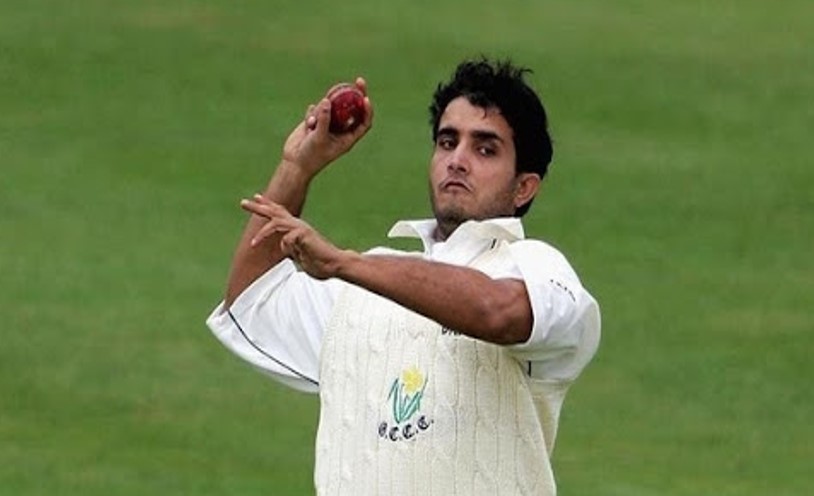
Photo for representational purpose (Photo courtesy: Patrika.com)

India’s captain Sachin Tendulkar decided to give the spinner Chauhan the second over after looking at the strange behaviour of the pitch. His over was alright but the next one, bowled by Srinath, got the umpires and match referee worried. After the last ball of the over, which hit Roshan Mahanama on his gloves, the match officials decided to call off the match due to the unplayable nature of the pitch. In 3 overs, Sri Lanka’s score was 17 for 1 (see scorecard HERE).

This was the first time in the history of cricket that a game was called off due to the unsafe nature of the pitch.

The result, obviously, was sad for cricket lovers around the world, but not more than the 25000 odd spectators who had turned up. There were fears about how the crowd will react to this fiasco. There were also reports about a local lawyer almost deciding to file a case against Indian captain Tendulkar, Sri Lankan captain Arjuna Ranatunga and match referee Ahmed Ebrahim for denying the ticket-paying public their right to watch the match.

In order to pacify everyone disappointed by the turn of events, an exhibition match of 25 overs was decided to play between both the teams. But how does one play on a pitch that was behaving so dangerously?

Hence, it was decided that fast bowling won’t be allowed in the match. Only spinners and slow medium pacers can bowl.

Those were the days when T20 was unheard of. So, an ODI match of 25 overs actually got us excited as we were watching on TV, even if it was unofficial. India’s two senior batters Tendulkar and Mohammed Azharuddin didn’t bat in order to give youngsters a chance. I remember Sourav Ganguly bowling gentle medium pacers in the match, much slower than his actual deliveries.

Sri Lanka batted first and scored 180 for 8 in their allotted overs. In response, India fell 2 runs short by reaching 178 for 7 in their 25 overs. I remember India needing 4 runs of the last ball when Kumara Dharmasena was bowling to Navjot Singh Sidhu. Despite it being an exhibition match, there was intense tension before that ball. Sidhu could manage only a single of that ball. Despite India losing, the crowd was treated to an entertaining day of cricket.

(Article continued after video)

Short highlights of the exhibition match

There are reports that before the start of the ODI, India wanted a bouncy pitch with grass in order to tackle Sri Lanka’s top-order. But when the team reached the venue, they realized that the groundsman had produced a dry pitch with cracks, which would assist both fast bowlers and spinners. So, they got the groundsman to prepare an alternative pitch. However, when the Sri Lankan players brought this to the notice of the match referee Ahmed Ebrahim, they eventually decided to play on the first wicket.

The third ODI of the series, which was played in Goa, was won by Sri Lanka by five wickets, thereby drawing the series 1-1.

Interestingly, much later in 2009, another India-Sri Lanka ODI was called off due to the dangerous nature of the pitch (see scorecard HERE). This time, the venue was Delhi’s Ferozshah Kotla Stadium. Co-incidentally, the match in 1997 was played on December 25 and the one in 2009 on December 27.

Strangely, less than a month and half after the 1997 ODI blunder, a test match between West Indies and England at Kingston, Jamaica on February 2, 1998, was called off in the first session of the first day for the same reason after the latter batted for 10.1 overs. As a kid, I remember bowlers like Curtly Ambrose and Courtney Walsh appearing deadlier than they were on that pitch. This was the first test match to be called off due to the nature of the pitch (see scorecard HERE).

Also read: Sachin-Kambli’s unknown match-winning partnership: 50 Years of Wankhede

Filed Under: Cricket Tagged With: India Sri Lanka 1997 Indore Match, India Sri Lanka 25 Over Match 1997, India Sri Lanka Indore Pitch, India Sri Lanka Old Match, India vs Sri Lanka Old ODI Match, Old Cricket Match, Old ODI Matches

Gondhal Review: A night of ritual turns sinister

November 15, 2025 by Keyur Seta Leave a Comment

Storyline: Gondhal is a night-long ritual held in one of the interiors of Maharashtra. It is performed in presence of a newly-married couple in order to eliminate the obstacles from their lives. A folk performance throughout the night is a part of the ritual, which is attended by the entire village. The story starts off when Bhivaba (Kishore Kadam) arrives to perform the ritual for the newlywed couple Anandrao (Yogesh Sohoni) and Suman (Ishita Deshmukh).

But this is not going to be just another night of the said ritual. Sarjerao (Nishad Bhoir), the son of the village Patil, is jealous to see a girl as beautiful as Suman being married off to the simple and innocent Anand. In fact, Sarjerao was earlier supposed to marry Suman but he couldn’t after his father asked for a huge amount in dowry. Despite Suman now being a wife of another man, Sarjerao is not in the mood to accept defeat.

Review: Gondhal, which is written and directed by Santosh Davakhar, gets the viewers transported into the interiors of the village and the ceremony of Gondhal in a thoroughly impressive manner. It does that through a long one-take shot that not only follows different characters perform different tasks but also in presence of over 100 junior actors in a large open area. Veteran cinematographer Amalendu Chaudhary makes his presence felt in various other shots as well.

Gondhal Marathi movie

No stone is left unturned when it comes to portraying the ceremony and its various aspects. One can find even minute detailing with regards to the rituals, costumes and production designing.

But the actual story begins at the interval block through an interesting development. This makes you think that the story will go on an expected route. But it actually goes onto the sinister mode. There comes a time when the ritual becomes a mystery drama. Even if you are able to guess the final outcome, its presentation keeps the proceedings interesting. Gondhal indirectly presents an irony of dark human intentions even while performing a sacred activity.

Ilaiyaraaja’s music is decent. His background score succeeds in enhancing scenes of different moods.

Ishita Deshmukh suits in the role of a newlywed wife. But she also shines whenever she has to act naughty. She is a find for the future. Yogesh Sohoni is perfect as the naïve young husband. He gets to display his talent more in the climax.

Nishad Bhoir is fair as the desperate Sarjerao. Kishore Kadam impresses the most during the initial long one-take scene. Suresh Vishwakarma, as Patil, and the rest of the supporting actors chip in with decent performances.

Coming to the negatives, an act committed by Bhivaba post-interval doesn’t appear convincing. It is difficult to believe that a character like his can take such an extreme step. There are also a few instances where the film could have been crisper.

Overall: Gondhal is a fine saga about a ritual turning into the night of crime. This is the debut feature film for Santosh Davakhar both as a writer and director but it doesn’t appear so.

Rating: 4 out of 5

Director: Santosh Davakhar

Producers: Davakhar Films

Writer: Santosh Davakhar (story, screenplay and dialogues)

Cast: Ishita Deshmukh, Yogesh Sohoni, Nishad Bhoir, Kishore Kadam

Also read: Haq review: Yami Gautam excels in this one-time watch courtroom drama

This blog is one of the Top 30 Indian movie blogs on the web as per FeedSpot. See the full list here –https://bloggers.feedspot.com/indian_movie_blogs/

Filed Under: Marathi movies Tagged With: Gondhal Actors Cast, Gondhal Film Review, Gondhal Marathi Movie Review, Gondhal Marathi Story, Gondhal Movie Review, Gondhal Review, Marathi movie review, Santosh Davakhar

Haq review: Yami Gautam excels in this one-time watch courtroom drama

November 8, 2025 by Keyur Seta 1 Comment

Storyline: Haq is a fictionalized and dramatized version of the historic Shah Bano Begum vs Mohammed Ahmed Khan case. The film is adapted from journalist and author Jigna Vora’s book ‘Bano: Bharat Ki Beti’.

The film starts off in 1967 in a town in Uttar Pradesh. Shazia Bano (Yami Gautam Dhar), a young girl full of life, gets married to the lawyer Abbas Khan (Emraan Hashmi). She is happy with choosing him as her life partner. She gives birth to two children and is pregnant with the third. This is when Abbas goes on a three-week visit to Pakistan to settle some property dispute in their ancestral place.

However, Abbas returns after three months and that too after marrying a young girl, Saira (Vartika Singh). Shazia devastated to know that her husband had a second marriage and that too by keeping her in the dark. Things start getting murkier for Shazia from here on, which eventually compels her to take Abbas to the court.

Review: It is widely known that Haq is a courtroom drama. Hence, it is obvious for the audience to anticipate the narrative to go on the legal route. There is also this danger that the portion before the courtroom scenes might make you impatient. Thankfully, nothing of that sort happens here.

Yami Gautam Dhar in Haq

The route to the court is finely structured and presented. The whole journey of Shazia’s happy marriage turning sour is well narrated. This was also possible because of the smooth transition of Abbas’s character from being the hero to the antagonist. Emraan Hashmi has always been a fine performer (even when he was labeled as a ‘serial kisser’) and he has proved the same here as well.

Once the film goes onto the legal route, you, naturally, expect it to go into overdrive. However, for some strange reason, the opposite happens. The narrative during this half doesn’t turn out to be as gripping as before. There are also some portions where the goings appear dry and episodic.

The film ends on a fine note with Shazia’s monologue but it seems too much dependent on the final part. Even for this, it is Yami Gautam Dhar’s bravura act that keeps you glued and moved.

Also during the rest of the film, she lives the journey of Shazia Bano with a lot of maturity. This one is easily one of her best acts and one of the best performances of the year. However, it is a mystery that both Yami and Emraan look almost the same even after a span of 18 years.

Danish Husain’s character as Shazia’s father is shown to be very progressive, even by today’s standards. He does full justice to it. Sheeba Chadha and Aseem Hattangady are impressive as Shazia’s lawyers. Vartika Singh shows promise as Saira.

Haq scores high in production designing. The colour grading too makes the bygone era believable. Vishal Mishra’s music is nothing much to speak about. The film needed, at least, one impressive theme track. Sandeep Chowta’s background score enhances the proceedings.

Overall: Haq is a one-time watch courtroom drama, aided by Yami Gautam’s fine act. As far as the box office is concerned, its appeal lies in the urban multiplex centers.

Rating: 3 out of 5

Director: Suparn Verma

Producers: Junglee Pictures, Insomnia Films and Baweja Studios

Writers: Jigna Vora (original book) and Reshu Nath (story, screenplay and dialogues)

Cast: Yami Gautam, Emraan Hashmi, Danish Husain, Sheeba Chadha, Vartika Singh

Also read: Homebound review: Neeraj Ghaywan’s film reminds you of your privilege in a hard-hitting way

This blog is one of the Top 30 Indian movie blogs on the web as per FeedSpot. See the full list here –https://bloggers.feedspot.com/indian_movie_blogs/

Filed Under: Bollywood Tagged With: Haq Based On, Haq Emraan Hashmi, Haq Film Review, Haq Movie Review, Haq Review, Haq Shah Bano Case, Haq Yami Gautam

Teen Paayancha Ghoda review: Fine portrayal of friendship and mistakes during teenage

November 5, 2025 by Keyur Seta 2 Comments

Storyline: Teen Paayancha Ghoda (English title: Three Legged Horse) takes place in 2003 in Pune. Adnan (Kunal Shukla), a carefree youngster, has been flunking his 12th standard exams. He has already lost two years in the process. His girlfriend Chandrika (Ria Nalavade), who is even more carefree, continues to support him despite his failure.

Adnan’s father is in the rehabilitation centre for alcoholism. He isn’t strict with Adnan and doesn’t have any grudges for him failing in exams. But Adnan’s nana (Gajanan Paranjpe), who is a retired IPS (Indian Police Service) officer and with whom he lives, is super strict and has given an ultimatum to him to pass his exams this year.

Chandrika comes up with a plan to get a fake marksheet created for Adnan. For this, she contacts Rathore (Avinash Londhe), who is from the same age group. The purpose of creating a fake marksheet germinates into an unusual friendship between the three youngsters. But where will their wrong path lead them eventually?

Review: Teen Paayancha Ghoda is from the makers of the brilliant drama Amaltash. This film also falls in the unconventional zone like the earlier one but it’s hugely different both in terms of the storyline and its treatment.

Teen Paayancha Ghoda Marathi movie

It deals with a simple storyline but it’s nowhere narrated and presented in a conventional or straightforward way. Noopur Bora and Yogesh Vinajay Joshi have creatively narrated the tale in a way that you discover it in a novel way and through little details. The flashback to 2001 on quite a few occasions is also smartly done.

The film shows the three central characters indulging in an illegal activity. However, they are not shown as bad people. They are going through the wrong path only out of necessity. Of course, the film doesn’t justify their act but you somehow start liking them, especially Rathore. The organic way in which friendship develops between the three character plays a major role in it.

Suhas Desale and Rushi Tambe’s camerawork completely goes with the nature of the film. It is more like a glimpse into the world of the three youngsters. The same unconventionality is seen in the editing (Makarand Dambhare and Suhas Desale) and background score (Chlkwrk).

The performance of the three youngsters also plays a major role in making the tale believable. Their casting is just right. Kunal Shukla makes the character of Adnan believable. Along with being subtle, he also scores in being sarcastic. Ria Nalavade succeeds in playing a strong woman with a lot of spunk. Both are a lookout for the future. Avinash Londhe is apt in the role of the fully introvert Rathore. He speaks on various occasions through expressions.

The movie has some senior actors in cameos and extended cameos. Gajanan Paranjpe exudes fear every time he appears. Devika Daftardar is convincing as a mute and deaf character of Rathore’s mother. Sandesh Kulkarni and Rohit Kokate display mature acts in characters with limited screen time.

There are, however, issues that stop Teen Paayancha Ghoda from being superlative. The last 20 odd minutes don’t go with the nature of the rest of the film, which is light-hearted. The transition doesn’t appear as seamless as it should have been.

Overall: Teen Paayancha Ghoda is a fine portrayal of friendship and mistakes during teenage.  

Rating: 3.5 out of 5

Director: Noopur Bora

Producers: Darshan Productions and Medium Strong Productions

Writers: Yogesh Vinayak Joshi and Noopur Bora

Cast: Kunal Shukla, Ria Nalavade, Avinash Londhe, Gajanan Paranjpe, Devika Daftardar

Also read: Amaltash review: Tenderly created saga on love, life & music

This blog is one of the Top 30 Indian movie blogs on the web as per FeedSpot. See the full list here –https://bloggers.feedspot.com/indian_movie_blogs/
Filed Under: Marathi movies Tagged With: Teen Paayancha Ghoda Marathi Movie, Teen Paayancha Ghoda Marathi Movie Review, Teen Paayancha Ghoda Movie Review, Teen Paayancha Ghoda Review, Three Legged Horse Marathi Movie, Three Legged Horse Movie Review

Thamma review: Shows hope but loses ‘blood’ in the second half

October 22, 2025 by Keyur Seta Leave a Comment

Storyline: The film revolves around a struggling television journalist Alok Goyal (Ayushmann Khurrana) staying in Delhi with his parents (Paresh Rawal and Geeta Agarwal Sharma). He once goes on a jungle adventure with his friends outside the city. He becomes a victim of a bear attack and is forced to hide in a cave-like place for safety. Just then, a beautiful girl (Rashmika Mandanna) rescues him.

Alok gets to know that her name is Tadaka and she is a part of a tribe of Betaals led by the crazy Yakshasan (Nawazuddin Siddiqui). People from the tribe capture Alok just when he and Tadaka are getting attracted to each other. Tadaka defies the tribe’s rules and frees Alok. But in order to save herself from her tribe for being a traitor, she too moves to Delhi with him. This encounter changes Alok’s life forever.

Review: Thamma has an interesting storyline that gains your interest right at the onset. There is a right amount of humour and thrill after Alok and Tadaka enter each other’s lives and face numerous funny and thrilling situations. Once the two reach Delhi, the intrigue level increases as Tadaka constantly tries hiding her real self. The interval point comes across as a surprise.

Thamma movie

The second half takes off well from that point and makes you interested in knowing where will all this lead. However, the film goes downhill from here on. The narrative becomes too complicated and self-indulgent. It seems that the makers were trying too hard in providing thrill through this genre and thereby ended up going overboard. A few of the rules of the Betaal community also appear weird and too convenient. The finale too is quite underwhelming.

The film also leaves a few questions unanswered. For example, we are shown an encounter with King Alexander at the start but the character never returns. But the most bewildering part is the sudden disappearance of Alok’s mother without any reason whatsoever!

Thamma scores well in the technical department through. Saurabh Goswami’s camerawork is impressive. The film is also rich in visuals, mostly because of the VFX. The background score (Sachin Jigar) adds to the thrill.

The performances are a mixed bag. Ayushmann Khurrana is the best of all. He goes through various emotions and situations with relative ease. Rashmika Mandanna is better than a couple of her previous outings as far as her expressions and body language are concerned. But her heavy south accent hampers her act yet again. Paresh Rawal once again shows how dependable he is when it comes to displaying humour with subtlety. Geeta Agarwal Sharma is memorable despite limited screen time.

Nawazuddin Siddiqui appears entertaining initially but starts becoming repetitive. It seems he was trying a bit too hard in being funny later on. He also brings back memories of his act from Kick (2014). Faisal Malik of Panchayat fame shines as the cop. Varun Dhawan is decent in a cameo from Bhediya. Abhishek Banerjee fares better in his cameo.

Overall: Thamma has an interesting and entertaining build up but it suffers from a messed up second half. The film will score well at the box office in the six-day extended Diwali period but will slow down from Monday onwards.

Rating: 2.5 out of 5

Director: Aditya Sarpotdar

Producers: Maddock Films

Writers: Niren Bhatt, Arun Fulara and Suresh Mathew

Cast: Ayushmann Khurrana, Rashmika Mandanna, Nawazuddin Siddiqui, Paresh Rawal

Also read: The Ba***ds of Bollywood Review: Unabashedly whacky take on Bollywood with an overdose of expletives

This blog is one of the Top 30 Indian movie blogs on the web as per FeedSpot. See the full list here –https://bloggers.feedspot.com/indian_movie_blogs/
Filed Under: Bollywood Tagged With: Thamma Ayushmann Khurrana, Thamma Box Office, Thamma Film Review, Thamma Movie Review, Thamma Review, Thamma Spoilers, Thamma Story

Book Review: ‘Undefeatable Krishna’ by Shubha Vilas

October 19, 2025 by Keyur Seta Leave a Comment

Author Shubha Vilas has established himself as one of the specialists of ancient Hindu scriptures. Among his various works, he is known the most for retelling the Ramayana through a set of six books, with each being an insightful and entertaining read.

The author has now stepped into another celebrated epic Mahabharata and has presented the first book titled ‘Undefeatable Krishna’, thereby starting off with the most central figure in the scripture.

The book narrates various chapters from the Mahabharata where Lord Krishna played an important part. The book starts off by retelling the events before the great war of Kurukshetra and ends with its consequences after that.

Shubha Vilas has largely picked up not only interesting but also important chapters from the Mahabharata where Krishna has played a role in giving important life lessons not only to the characters in the epic but also the readers at large. The only surprise is the chapter on Arjuna and Subhadra’s love story and Krishna’s role in their union. You wonder about its importance with regards to the Mahabharata. But as it’s interesting and amusing to read, there are no complains.

Undefeatable Krishna book by Shubha Vilas


Like his various previous works, the author’s distinct style of writing is the high point of the book. He has once again used simple language and at the same time narrated various events in a larger-than-life manner. It makes you visualize the scenes as if they are taking place in a movie mounted on a large scale.

There are various incidents that are presented with a lot of style during the war of Kurukshetra. The one that stands out is the moment when Jayadratha is killed by Arjun. If this moment is played in a film in the exact manner as described in the book, one can expect the audience to break into an applause.

However, the book is not all about larger-than-life style. There are equal number of moments that overwhelm you and touch an emotional chord, especially if you happen to be an ardent devotee of Lord Krishna. The author has succeeded in presenting the various shades of Him and indirectly shown what a personality He is.

But at the same time, the author has also presented Krishna like a common person with human nature. For example, He not being able to sleep at night as he is concerned about Arjuna’s vow of killing Jayadratha before sunset the next day. There are other examples too of the same.

Major negative points are missing in ‘Undefeatable Krishna’ but there are minor ones. The events of the Mahabharata are narrated somewhat in a non-linear way in the latter part, which could have been avoided. A major part of the book contains lessons being preached by the author with respect to the various events of the Mahabharata. This part could have been shortened. On 2-3 occasions, double inverted commas are missing at the end of dialogues.

Overall: ‘Undefeatable Krishna’ is yet another winner from Shubha Vilas. The book is for those who have already read the Mahabharata and would like to delve deeper into it.

Rating: 4 out of 5

Author: Shubha Vilas

Publishers: Jaico Books

Pages: 214

Also read: Book Review: Razor Sharp – Ashwin Sanghi dwells into the serial killer zone

Filed Under: Literature Tagged With: Author Shubha Vilas Books, Book Review, Hinduism, Shubha Vilas Book Mahabharata, Spirituality, Undefeatable Krishna Book, Undefeatable Krishna Book Review, Undefeatable Krishna Review, Undefeatable Krishna Shubha Vilas Book

Homebound review: Neeraj Ghaywan’s film reminds you of your privilege in a hard-hitting way

September 29, 2025 by Keyur Seta 1 Comment

Storyline: Homebound is a story of two best friends from the less fortunate backgrounds and what all they go through because of their identities. Mohammed Shoaib Ali (Ishaan Khatter) and Chandan Kumar (Vishal Jethwa) hail from a small town in India. The families of both lead a life of poverty. But that’s not all. Shoaib and Chandan also regularly face discrimination on the basis of their religion and caste respectively.

In order to get respect from the society, the two friends appear for a police recruitment exam. They believe that once they join the police force, the attitude of the society will change towards them. While they are on the way to the examination centre in train, they meet Sudha Bharti (Janhvi Kapoor), who is also from the lower caste. After giving the exam, Shoaib and Chandan anxiously wait for the examination results, which keep on getting delayed.

Review: There is a scene in Homebound where Shoaib is made fun of by his office seniors because Pakistan loses against India in a cricket match, thereby assuming that his loyalty lies with the neighbouring country. The guy’s friendly colleague tries to pacify him saying that those who are targeting him for his religion are drunk and they are doing it just for some ‘fun’.  


In another instance, a woman is not allowed to cook mid-day meals for kids in a school after the parents realize that she belongs to a lower caste.

The film also shows the severe struggle of the people from the lower strata of society to survive the COVID-19 pandemic in what can be described as a heart-wrenching part of the film.

Homebound isn’t the first film to show these miseries of the less fortunate and it won’t be the last either. But its starkly appealing manner of representing the atrocities one faces due to one’s religion, caste and social positioning moves you profoundly.

At the same time, it also makes us realize how privileged we are. Even though we might not be millionaires but the kind of lives we are living is a dream for a large majority of our country’s population.

The performances of the two lead actors play a vital role in creating the impact. With this performance, Vishal Jethwa has announced that he is one of the most talented actors around. His portrayal of the journey of Chandan is completely praiseworthy, especially during the ending moments. Ishaan Khatter is not behind though. He has provided a thoroughly mature act as his character goes through different challenges throughout the film.

The actors playing the family members of both Chandan and Shoaib are also praiseworthy. Janhvi Kapoor acts decently but she is a miscast in the role of Sudha Bharti.

The other negative point, although minor, is the length, which could have been shorter.

Overall: Homebound is one of the finest films to have come in recent years. Its selection for the Oscars in the Best Foreign Language category appears to be the right decision.

Rating: 4 out of 5

Director: Neeraj Ghaywan

Producers: Dharma Productions

Writers: Basharat Peer, Neeraj Ghaywan and Sumit Roy

Cast: Ishaan Khatter, Vishal Jethwa, Janhvi Kapoor

Filed Under: Bollywood Tagged With: Homebound Cast, Homebound Movie Review, Homebound Movie Story, Homebound Neeraj Ghaywan, Homebound Rating, Homebound Review

The Ba***ds Of Bollywood review: Unabashedly whacky take on Bollywood with an overdose of expletives

September 24, 2025 by Keyur Seta 1 Comment

Storyline: The Ba***ds Of Bollywood revolves around Aasmaan Singh (Lakshya), who dreams of becoming a famous movie star. After arriving in Mumbai from his hometown Delhi and struggling for some time, he gets an opportunity to showcase his heroic skills and bags the film Revolver. The movie becomes a hit and he achieves initial stardom.  

Aasmaan stays with his uncle Avtar (Manoj Pahwa), who has been struggling all his life to become a singer and musician, and his loyal best friend Parvaiz (Raghav Juyal). His mother Neeta (Mona Singh) once dreamt of becoming an actress but could not be more than a background dancer. His father Rajat (Vijayant Kohli) is suffering from a liver disease.

The producer of Revolver, Freddy Sodawallah (Manish Chaudhari), asks Aasmaan to sign an exclusive three film deal with him. Aasmaan’s manager and friend Sanya (Anyaa Singh) urges him to take his time and not sign in a huff as she wants bigger producers to sign him. She convinces Karan Johar (Karan Johar) to cast Aasmaan in his next. However, unknown to Sanya, Sodawallah tricks Aasmaan in signing the three film deal.

Meanwhile, Karishma Talvar (Sahher Bambba), daughter of the superstar Ajay Talvar (Bobby Deol) and hence a ‘nepo kid’, gets pissed off with Aasmaan during a roundtable interview. Later on, it is revealed that Karan wants Karishma to star opposite Aasmaan in his film. Ajay, for some reason, hates Aasmaan and wants him removed from Karan’s film.

Review: The Ba***ds Of Bollywood is basically a tale of a simple boy with big dreams of becoming a film star. But his story is told while giving an inside glimpse of the workings of the Hindi film industry in an over-the-top manner.

The USP of the show is the whacky humour and the unpredictability of the situations. The humour relies a lot on meta references, mostly about characters that play themselves (Karan Johar and a number of others from the film industry). But it’s done in a smart and witty manner, except in the scene where a producer brutally kicks a female production designer, which wasn’t funny.

Debutant writer and director Aryan Khan’s sense of humour does take you by a pleasant surprise. What’s noteworthy is the self-deprecating humour on himself and his drug case. The show also has a few fictional characters who seem to be inspired from real-life stars from the industry. If you are able to guess about them, it increases the fun element.  

But the show suffers from an unnecessary overdose of cuss words. So much so, that they cease to have an impact after the initial episodes itself. In fact, it won’t be wrong to state that there is an expletive in almost every sentence. Some developments are also too convenient. But a bigger negative is that the proceedings become too serious and don’t fit the nature of the show after a few episodes.

However, the narrative brings in an unexpected and major twist in the end, which gives you a jolt and turns the whole show on its head! This also takes care of a question of why one character hates another to the core. There are chances that the twist won’t work for many. It worked for this reviewer though.

The Ba***ds Of Bollywood has a long list of cast members and none of them disappoint. Lakshya fits in the role of a struggler who becomes a star and goes through unusual circumstances. He makes the journey of the main protagonist believable. Bobby Deol shines while playing a grey character. He also excels in fight scenes. Sahher Bambba succeeds in displaying her talent as a star kid. Anyaa Singh is perfect in the role of Aasmaan’s manager.

Manoj Pahwa, Mona Singh and Vijayant Kohli are also fine as Aasmaan’s family members. Mona gets a meaty part later on. Manish Chaudhari is excellent as the veteran producer. Karan Johar’s character is different from him in real life and he too provides a fine act. Rajat Bedi sportingly plays a character inspired from his real character. He leaves behind a strong impact. Divik Sharma as the weird brother of Karishma fits the character to the T. The rest of the supporting actors like Gautami Kapoor, Meherzan Mazda and others are fine too. Eshika Dey gets noticeable at the very end.

From the cameos, Shah Rukh Khan, Arshad Warsi, Emraan Hashmi and Ranveer Singh impress the most.

But the most impactful actor of the show is Raghav Juyal. He is extremely likable and humorous. To stand out from such a long list of cast and special star appearances is a major achievement.  

Overall: The Ba***ds Of Bollywood is a fun ride with a few potholes that are taken care of by the final twist.

Rating: 3.5 out of 5

Director: Aryan Khan

Producers: Red Chillies Entertainment

Writers: Aryan Khan, Bijaj Siddiqi and Manav Chauhan Cast: Lakshya, Sahher Bambba, Bobby Deol, Raghav Juyal, Mona Singh, Manoj Pahwa, Manish Chaudhari, Karan Johar, Vijayant Kohli

Also Read: Jolly LLB 3 review: Akshay Kumar, Arshad Warsi & last 30 minutes are the highlights

This blog is one of the Top 30 Indian movie blogs on the web as per FeedSpot. See the full list here – https://bloggers.feedspot.com/indian_movie_blogs/
Filed Under: Bollywood Tagged With: Bads Of Bollywood Aryan Khan, Bads Of Bollywood Cast Actors, Bads Of Bollywood Netflix Review, Bads Of Bollywood Review, Bads Of Bollywood Story, Bads Of Bollywood Web Series Review, The Bads Of Bollywood Review

Jolly LLB 3 review: Akshay Kumar, Arshad Warsi & last 30 minutes are the highlights

September 21, 2025 by Keyur Seta 2 Comments

Storyline: Jolly LLB 3’s backstory dates to 2011 in Parsaul, a remote village in Rajasthan. An aged farmer Rajaram Solanki doesn’t agree to sell his land to India’s richest businessman Haribhai Khetan (Gajraj Rao) for his ‘Bikaner To Boston’ residential complex project. He is then framed in a fake case about non-payment of dues. He loses the case. Dejected, he dies by suicide. But his wife Janaki (Seema Biswas) vows to get justice, not just for Rajaram but also for various other farmers, whose lives are negatively affected by the project.  

The story moves few years later in Delhi, where advocate Jagdishwar Mishra aka Jolly (Akshay Kumar) from Lucknow and advocate Jagdish Tyagi aka (also) Jolly from Meerut are always seen fighting over stealing each other’s cases in a lower court. The two can’t see eye to eye. One day, Janaki approaches them with her late husband and other farmers’ case. However, she no fees to pay to any of the two Jollys.

Review: The first film in director Subhash Kapoor’s franchise Jolly LLB (2013) was entertaining but it kept the court proceedings close to reality. The second one Jolly LLB 2 (2017) went more mainstream and had a second half full of unbelievable filmi events. Jolly LLB 3 goes more commercial but still turns out to be better than the 2017 movie.

Jolly LLB 3

Kapoor’s narrative gives a good amount of footage to a very serious issue, which comes as a surprise. But he has also succeeded in mixing the humorous portions and maintained the balance for a good amount of time in the film. The antics and rivalry between the two Jollys provide some hilarious moments, especially through the dialogues, which are also penned by Kapoor.

The film should also be lauded for portraying the serious and controversial issues of farmers losing their lands and the lust for more wealth by the crony capitalists. There are some bold sequences in this regard considering that this is a mainstream commercial cinema.

Jolly LLB 3, however, has quite a few sequences that are unwanted. These unnecessarily add on to the length of the film and, more importantly, are not related to the main story. For example, the scene at the restaurant on Valentine’s Day. Even the Formula 1 type race could have been avoided as its purpose was already met in the previous scene where both Jollys meet Janaki.

Even the main case involving Janaki and the farmers lack complete clarity.

But these factors are kind of forgotten in the last 30 minutes when the film goes onto an intense and powerful mode. The makers have given importance to both Akshay and Arshad during this portion. The two actors too have complemented each other well. There are moments where they create a riot. They also shine during serious and emotional moments.

Saurabh Shukla is actually the third hero of the film. You can’t help but feel amused every time he comes on screen. Seema Biswas, however, is the best actor here. She provides a heart-wrenching performance where she speaks through expressions and body language throughout. Gajraj Rao evokes power and fear every time he appears on screen while playing a negative role. Ram Kapoor is decent as the opposing lawyer.

Huma Qureshi and Amrita Rao, as Akshay and Arshad’s wives, don’t have much to do. This is good because giving them more importance would have further increased the runtime. The actor playing Rajaram, DM and others provide fine support. A talented artiste like Shilpa Shukla is cast in an inconsequential role.

Overall: Jolly LLB 3 surpasses the second film in the franchise but not the first one. It is worth watching more for Akshay Kumar and Arshad Warsi’s chemistry and the final 30 minutes.

Rating: 3 out of 5

Director: Subhash Kapoor

Writer: Shubash Kapoor

Producers: Star Studio 18 and Kangra Talkies

Cast: Akshay Kumar, Arshad Warsi, Saurabh Shukla, Seema Biswas, Gajraj Rao, Huma Qureshi, Amrita Rao

Also read: Inspector Zende review: Manoj Bajpayee’s period crime drama is a one-time watch

This blog is one of the Top 30 Indian movie blogs in the world as per FeedSpot. See the full list here – https://bloggers.feedspot.com/indian_movie_blogs/
Filed Under: Bollywood Tagged With: Jolly LLB 2025 Review, Jolly LLB 3 Akshay Kumar, Jolly LLB 3 Arshad Warsi, Jolly LLB 3 Movie Review, Jolly LLB 3 Review, Jolly LLB 3 Story

Sabar Bonda review: Portrays a bold conflict in a quiet and gentle manner

September 17, 2025 by Keyur Seta Leave a Comment

Storyline: Sabar Bonda (Marathi movie; English title Cactus Pears) revolves around Anand (Bhushaan Manoj). He hails from a small village in Maharashtra but has migrated to Mumbai where he works in the corporate sector. His father falls seriously ill and passes away. In order to carry out his funeral and other post-demise rituals, he visits his village for more than a week.

Amid such a situation, Anand’s orthodox relatives and close family members taunt him directly and indirectly on he still being unmarried despite reaching a ‘high age’ of 30. It is impossible for him to reveal it to them that he is a homosexual and recently went through a break-up. His mother Suman (Jayshri Jagtap) has accepted his reality; even his father had. Apart from her, his friend in the village Balya (Suraaj Suman) is his only companion. Anand finds solace while spending time with him.  

Review: Homosexuality is not a novel subject, especially in the unconventional or festival kind of cinema. But writer and director Rohan Kanawade’s Sabar Bonda stands apart from a lot of such films due to various reasons.

Sabar Bonda (Cactus Pears) Marathi movie

It is quite tough for parents to accept their son as a gay in a country like India. The film shows that even if somehow the parents accept their child’s sexuality, what about the relatives and society at large? And this becomes even tougher in a remote village where even a mere mention of the subject is considered more than taboo. This core aspect of the film is skillfully and sensibly portrayed by Kanawade in his feature film debut itself as a writer and director.

The film’s story has a definite conflict element. But the narrative is nowhere near dramatic by any means. It keeps moving in a quiet and gentle manner without making any sort of noise whatsoever despite the subject. The makers have even hardly used any background score. Cinematographer Vikas Urs has enhanced various sequences through his skills, especially in some long one-take scenes.

Sabar Bonda is more like a glimpse into the current state of Anand and the difficult ground on which he is standing at the moment. You do feel sad for him. But the film never goes into a depressive zone. However, you do feel glad for Anand whenever he goes through an episode of happiness; whether it is while spending time with Balya or the moment where he savors Cactus Pears.

This is one of those films where a lot of onus is on the actors and they don’t lag behind. Bhushaan Manoj simply lives the complex but quiet character of Anand. He goes through his various moods without saying much; mostly speaking through expressions. The same sort of quiet but expressive performance is seen from Jayshri Jagtap, who plays his mother. Her support for her son is unwavering, even if it is not visible.

The character of Balya also has an arc of his own, which is finely played by Suraaj Suman. The film has a number of supporting and minor characters as Anand’s relatives and fellow villagers. They all appear realistic.

The film doesn’t have a major negative point. The only minus here is the length. This movie needed to end before 1 hour and 52 minutes.

Overall: Sabar Bonda is unlike a lot of Indian films dealing with homosexuality. It portrays a bold conflict in a quiet and gentle manner.

Rating: 4 out of 5

Director: Rohan Kanawade

Writer: Rohan Kanawade

Producers: Lotus Visual Productions, Dark Stories, Moonweave Films, Taran Tantra Telefilms and Bridge PostWorks

Cast: Bhushaan Manoj, Suraaj Suman and Jayshri Jagtap

Also read: Dashavatar review: Dilip Prabhavalkar shines in the film that doesn’t live up to the interest it generates

This blog is one of the Top 30 Indian movie blogs in the world as per FeedSpot. See the full list here – https://bloggers.feedspot.com/indian_movie_blogs/

Filed Under: Marathi movies Tagged With: Bhushaan Manoj, Rohan Kanawade, Sabar Bonda Cast Actors, Sabar Bonda Marathi Movie Review, Sabar Bonda Marathi Review, Sabar Bonda Movie Review, Sabar Bonda Review, Suraaj Suman

  • 1
  • 2
  • 3
  • …
  • 93
  • Next Page »

Like Us on Facebook

Like Us on Facebook

Pages

  • About Me

Categories

  • Bollywood
  • Cricket
  • Documentaries
  • Environment
  • Events
  • Food
  • Forgotten Moments
  • Gujarati Cinema
  • Health
  • Hollywood
  • Humour
  • International Cinema
  • Literature
  • Marathi movies
  • Miscellaneous
  • Mumbai
  • Music
  • National
  • Personal experience
  • Pictures
  • Plays
  • Poem/ Shayaris
  • Regional cinema
  • Rumour Alert
  • Short Films
  • Socio/Political
  • Spiritual
  • Travel
  • TV
  • Uncategorized
  • Web Series
  • Young Achievers

Subscribe to Blog via Email

Enter your email address to subscribe to this blog and receive notifications of new posts by email.

Join 44 other subscribers

Archives

  • November 2025 (4)
  • October 2025 (2)
  • September 2025 (6)
  • August 2025 (3)
  • July 2025 (2)
  • June 2025 (5)
  • May 2025 (4)
  • April 2025 (7)
  • March 2025 (5)
  • February 2025 (1)
  • January 2025 (4)
  • December 2024 (2)
  • November 2024 (3)
  • October 2024 (2)
  • September 2024 (4)
  • August 2024 (2)
  • July 2024 (3)
  • June 2024 (4)
  • May 2024 (1)
  • April 2024 (2)
  • March 2024 (2)
  • February 2024 (4)
  • January 2024 (4)
  • December 2023 (2)
  • November 2023 (3)
  • October 2023 (3)
  • September 2023 (4)
  • August 2023 (3)
  • July 2023 (2)
  • June 2023 (2)
  • May 2023 (4)
  • April 2023 (4)
  • March 2023 (2)
  • February 2023 (1)
  • January 2023 (3)
  • December 2022 (2)
  • November 2022 (6)
  • October 2022 (7)
  • September 2022 (2)
  • August 2022 (2)
  • July 2022 (2)
  • June 2022 (4)
  • May 2022 (4)
  • April 2022 (4)
  • March 2022 (4)
  • February 2022 (3)
  • January 2022 (3)
  • December 2021 (3)
  • November 2021 (2)
  • October 2021 (3)
  • September 2021 (4)
  • August 2021 (3)
  • July 2021 (5)
  • June 2021 (2)
  • May 2021 (5)
  • April 2021 (3)
  • March 2021 (4)
  • February 2021 (4)
  • January 2021 (4)
  • December 2020 (6)
  • November 2020 (4)
  • October 2020 (6)
  • September 2020 (4)
  • August 2020 (6)
  • July 2020 (3)
  • June 2020 (2)
  • May 2020 (3)
  • April 2020 (4)
  • March 2020 (3)
  • February 2020 (3)
  • January 2020 (2)
  • December 2019 (3)
  • November 2019 (4)
  • October 2019 (3)
  • September 2019 (2)
  • August 2019 (4)
  • July 2019 (6)
  • June 2019 (6)
  • May 2019 (4)
  • April 2019 (1)
  • March 2019 (2)
  • February 2019 (5)
  • January 2019 (5)
  • December 2018 (6)
  • November 2018 (4)
  • October 2018 (4)
  • September 2018 (3)
  • August 2018 (3)
  • July 2018 (2)
  • June 2018 (4)
  • May 2018 (2)
  • April 2018 (2)
  • March 2018 (2)
  • February 2018 (3)
  • January 2018 (3)
  • December 2017 (3)
  • November 2017 (3)
  • October 2017 (3)
  • September 2017 (3)
  • August 2017 (1)
  • July 2017 (4)
  • June 2017 (2)
  • May 2017 (3)
  • April 2017 (2)
  • March 2017 (3)
  • February 2017 (3)
  • January 2017 (4)
  • December 2016 (4)
  • November 2016 (3)
  • October 2016 (4)
  • September 2016 (2)
  • August 2016 (5)
  • July 2016 (4)
  • June 2016 (2)
  • May 2016 (4)
  • April 2016 (4)
  • March 2016 (4)
  • February 2016 (4)
  • January 2016 (5)
  • December 2015 (6)
  • November 2015 (4)
  • October 2015 (4)
  • September 2015 (8)
  • August 2015 (6)
  • July 2015 (5)
  • June 2015 (5)
  • May 2015 (10)
  • April 2015 (7)
  • March 2015 (4)
  • February 2015 (9)
  • January 2015 (11)
  • December 2014 (9)
  • November 2014 (10)
  • October 2014 (11)
  • September 2014 (9)
  • August 2014 (7)
  • July 2014 (7)
  • June 2014 (2)
  • May 2014 (4)
  • April 2014 (5)
  • March 2014 (1)
  • February 2014 (2)
  • January 2014 (4)
  • December 2013 (6)
  • November 2013 (8)
  • October 2013 (4)
  • September 2013 (2)
  • August 2013 (5)
  • July 2013 (2)
  • June 2013 (2)
  • May 2013 (7)
  • April 2013 (8)
  • March 2013 (11)
  • February 2013 (10)
  • January 2013 (14)
  • December 2012 (11)
  • November 2012 (6)
  • October 2012 (12)
  • September 2012 (15)
  • August 2012 (18)
  • July 2012 (14)
  • June 2012 (14)
  • May 2012 (7)
  • April 2012 (12)
  • March 2012 (14)
  • February 2012 (12)
  • January 2012 (17)
  • December 2011 (13)
  • November 2011 (12)
  • October 2011 (7)
  • September 2011 (4)
  • August 2011 (14)
  • July 2011 (6)
  • June 2011 (5)
  • May 2011 (5)
  • April 2011 (11)
  • March 2011 (4)
  • February 2011 (3)
  • January 2011 (6)
  • December 2010 (3)
  • November 2010 (2)
  • October 2010 (2)
  • September 2010 (1)
  • August 2010 (2)
  • July 2010 (3)
  • June 2010 (3)
  • May 2010 (1)
  • April 2010 (1)
  • March 2010 (3)
  • February 2010 (4)
  • January 2010 (3)
  • December 2009 (3)
  • November 2009 (4)
  • October 2009 (2)
  • September 2009 (2)
  • August 2009 (6)
  • July 2009 (3)

Copyright © 2025 · eleven40 Pro Theme on Genesis Framework · WordPress · Log in